
Pedestrian accidents are increasing in Tennessee. People walking face serious danger when cars are nearby. In growing areas like Franklin, more traffic increases the risk. Distracted driving, speeding, and larger vehicles make walking less safe.
Pedestrians have no protection in a crash, which makes even low-speed impacts dangerous. Many victims suffer serious injuries that require emergency medical care and long hospital stays. As treatment continues, medical bills can rise quickly. Some people also miss work or need long-term care during recovery.
A Franklin pedestrian accident lawyer helps protect your rights and explain your options. At Cummings Law, we support injured pedestrians in Franklin and Williamson County with clear guidance and steady legal help.
Unlike drivers, people on foot have no protection when a vehicle strikes them. Even a slow-moving car can cause severe injury. As traffic increases in Franklin, these risks continue to grow.
When a car crash involves a pedestrian, the human body takes the full force. Head injuries, spinal cord injuries, and internal bleeding are common. Children, older adults, and people with disabilities face an even higher risk.
Insurance companies often question who had the right of way or blame the pedestrian for the crash. These arguments can reduce or block compensation. A Franklin pedestrian accident lawyer understands how these cases work and knows how to respond. Legal help focuses on facts, evidence, and traffic laws that protect pedestrians.
Pedestrian cases involve a driver and someone on foot. This changes how fault is reviewed. Police reports, traffic signals, crosswalk rules, and witness statements play a bigger role. Injuries are also more severe, which raises medical expenses and long-term care needs. Because of these differences, pedestrian accident claims need careful handling.
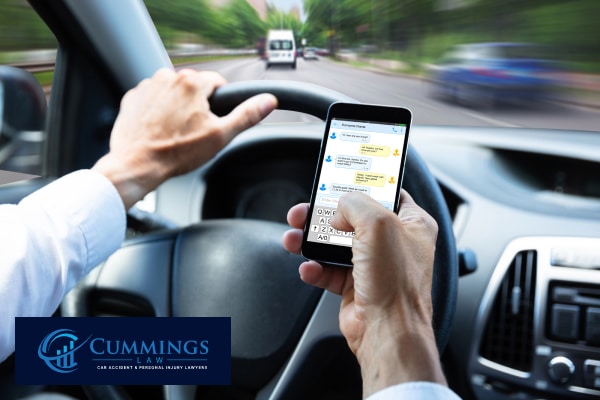
Pedestrian accidents often happen because drivers fail to use proper care. In many cases, these crashes are preventable. Understanding the most common causes helps show how fault is decided and why legal claims focus on driver behavior, road conditions, and safety rules.
When drivers do not slow down near sidewalks, parking lots, or schools, pedestrians face serious danger. Reckless choices can turn a routine drive into a life-changing event for someone on foot.
Distracted driving is a major risk to pedestrians. Drivers who text, check apps, or adjust GPS devices often miss people crossing the street. Pedestrians are harder to see than cars, especially at intersections or in crowded areas. Distracted drivers may not notice until it is too late.
Alcohol and drugs slow reaction time and reduce judgment. Drivers under the influence may drift in and out of lanes, ignore traffic signals, or fail to stop. Pedestrians are often the most vulnerable victims in these crashes. Impaired driving cases often involve severe injuries or wrongful death.
A vehicle moving too fast needs more time and space to stop. When drivers speed through residential streets or downtown areas, pedestrians have little chance to avoid harm. Driving aggressively, like following too closely or speeding through yellow lights, makes an accident much more likely.
Drivers are legally required to wait for pedestrians crossing a marked crosswalk. If you are walking in a crosswalk, cars are supposed to slow down or stop to let you pass safely. Ignoring this rule is a common cause of serious pedestrian injury.
Uneven pavement, blocked sidewalks, and unclear markings can force pedestrians into traffic. In some cases, property hazards near roads contribute to accidents. While drivers are often at fault, unsafe conditions can play a role in how a crash happens.
Poor lighting makes it harder for drivers to see pedestrians at night. Areas without sidewalks or safe crossings push people closer to traffic. Inadequate crosswalks can confuse both drivers and pedestrians. These issues raise the risk of traffic accidents.
Brake failures, steering problems, or faulty lights can prevent drivers from stopping or seeing pedestrians. These cases may involve claims against manufacturers or repair providers, though they are less common.
Hit-and-run incidents are especially dangerous for pedestrians. Drivers may flee the scene, leaving injured people without help. These cases can involve uninsured or underinsured coverage and require careful investigation.
Each cause matters. Identifying the causes of the crash helps establish liability and supports a strong pedestrian accident claim.
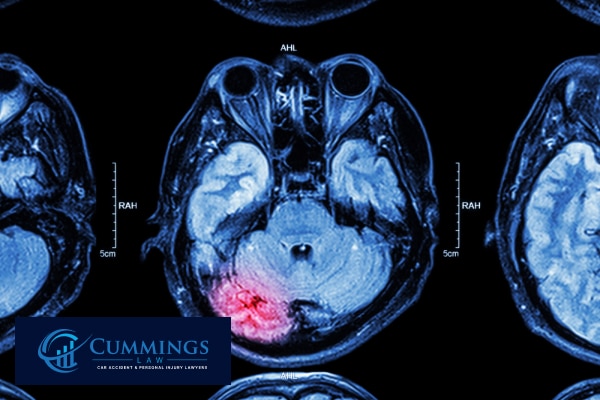
Unlike drivers, people on foot have no protection when a vehicle hits them. Even a low-speed impact can cause lasting harm. Many injuries require long recovery times and ongoing medical care. Understanding these injuries helps explain why pedestrian accident claims often involve high medical costs and long-term effects.
Pedestrian accidents can cause catastrophic injuries that change a person’s life forever. These injuries may limit mobility, independence, or the ability to work. Some victims need lifelong care or support. In severe cases, injuries lead to permanent disability or wrongful death. Families may face sudden medical bills, lost income, and emotional trauma.
A person may hit the hood, windshield, or pavement. Traumatic brain injuries can affect memory, speech, mood, and behavior. Some symptoms appear right away. Others develop days or weeks later. Even a mild concussion can cause long-term problems if not treated. Brain injuries often require imaging tests, specialist care, and careful follow-up.
If the spinal cord is badly hurt, it can stop signals from the brain from reaching the rest of the body. This can result in paralysis, where a person loses the ability to move or feel parts of their arms or legs. Victims may lose movement or feeling in their arms or legs. These injuries often require surgery, rehabilitation, and assistive devices.
Internal injuries are dangerous because they are not always visible. Internal bleeding and organ damage may occur when a vehicle strikes the body. These injuries can become life-threatening without quick medical attention. Emergency care and hospital stays are often required. Follow-up treatment may last months or longer.
Victims may suffer fractures in the legs, arms, ribs, or hips. Some breaks heal with casts or braces. Others need surgery and physical therapy. Severe fractures can limit movement and cause chronic pain.
Burn injuries may occur if a pedestrian is trapped near a vehicle or exposed to hot surfaces or fuel. Burns can be painful and may lead to infection or scarring. Treatment often involves wound care, surgery, and long recovery periods.
Pedestrians may also suffer cuts, bruises, and abrasions. These injuries may seem minor, but they can still cause pain and infection. Soft tissue injuries, such as muscle and ligament damage, can limit movement and cause ongoing discomfort.
Neck injuries often occur when the head snaps forward or backward during impact. Whiplash can cause pain, stiffness, and headaches. Symptoms may not appear right away. Recovery often involves working with a physical therapist to regain strength. Doctors may also use various methods, such as special exercises or medication, to help control your pain.
Soft tissue injuries affect muscles, tendons, and ligaments. These injuries can cause swelling, weakness, and reduced range of motion. Recovery may take weeks or months. Some people experience lasting pain.
The harm from a pedestrian accident is not only physical. Many victims struggle emotionally after a crash. Fear, anger, and stress are common. These feelings can affect sleep, work, and relationships.
Some pedestrians develop post-traumatic stress disorder. Loud noises, traffic, or crossing streets may trigger fear. Anxiety and depression can also develop, especially during long recovery periods. Mental health care is an important part of healing.
Pain and suffering include both physical pain and emotional distress. These losses do not come with receipts, but they are real. Tennessee law allows recovery for this type of harm in personal injury cases.
Getting medical attention right away is critical. Seeing a doctor right away helps you heal faster and stops your injuries from getting worse. It also creates a paper trail that proves exactly when and how you were hurt. Ongoing care helps track recovery and future needs.
Medical records are key to any pedestrian accident claim. X-rays, scans, and specialist visits show the extent of injuries. Keeping records helps support compensation for medical expenses, pain, and long-term care needs.

A pedestrian accident can leave you shocked, hurt, and unsure what to do next. Your actions after the crash can protect your health and your legal rights.
Your safety comes first. If you can move, get to a safe place away from traffic. Call 911 right away and ask for medical help. Early medical care can save lives and prevent problems.
Accept transport to a hospital or trauma center if recommended. Follow all medical advice. Keep records of every visit, test, and treatment. Medical records help connect your injuries to the accident and support medical expense claims.
Do not ignore pain, dizziness, or soreness. Symptoms may appear hours or days later. Neck injuries, soft tissue injuries, and brain injuries can worsen without treatment. Seeing a medical professional early protects your health and creates a clear record of your condition.
Always call the police after a pedestrian accident. Ask for an official police report. Officers document what happened, note traffic signals, and collect driver information. The police report often becomes a key piece of evidence in personal injury cases. Also, insurance companies look at police reports more than almost anything else. They use the officer’s notes to decide who caused the accident and how much money they should pay.
If you are able, collect evidence before it disappears. Use your phone to take photos or videos of:
Ask witnesses for names and contact details. Witness statements can help confirm what happened, especially if the driver later disputes fault.
Get the driver’s name, insurance details, and license plate number. This information is critical for any insurance claim.
Do not throw away damaged clothing, shoes, or personal items. These items may show how the crash happened and support injury claims.
Avoid saying 'I’m sorry' or taking the blame while you are still at the crash site. Even if you feel bad, your words could be used later to make it look like the accident was entirely your fault. Avoid guessing what caused the accident. Do not accept quick settlement offers from insurance companies. Early offers often fail to cover the full cost of medical care and future needs.
Speaking with a lawyer early helps protect your rights. A Franklin pedestrian accident lawyer can explain the legal process, handle insurance communication, and guide you through the next steps. Early legal help can preserve evidence and support a strong claim under Tennessee law.
Taking these steps can make a real difference. Clear actions help protect your health, your claim, and your future after a pedestrian accident.

Establishing liability means proving who caused the pedestrian accident. This step is central to any personal injury claim. In Franklin pedestrian cases, liability often depends on driver behavior, traffic laws, and how the crash happened.
Most pedestrian accidents are caused by driver negligence. Drivers are legally obligated to pay attention to their surroundings and follow the rules of the road. This means they must always be ready to stop for walkers, even if those people are in a place where they aren't expected. When they fail to do so, they may be held responsible for the harm caused.
Common negligent actions include failing to slow down, ignoring traffic signals, or driving while distracted. Pedestrians have the right to expect drivers to exercise reasonable care, especially in busy areas such as crosswalks, intersections, and school zones.
When drivers run red lights, roll through stop signs, or ignore pedestrian signals, serious accidents can occur. Police reports and traffic camera data often help show whether a driver failed to obey these rules.
Impaired driving and distracted driving are major causes of pedestrian accidents. Alcohol, drugs, and phone use slow reaction time and reduce awareness. Drivers may not see pedestrians in time to stop. These behaviors often strengthen liability claims.
Tennessee law gives pedestrians the right of way in marked crosswalks. Drivers who fail to yield can be held liable for resulting injuries. Crosswalk collisions often rely on witness statements, accident reports, and scene evidence.
In some cases, insurance companies argue that the pedestrian shares some of the blame. Tennessee uses a modified comparative negligence rule. This means fault may be divided between parties.
If a pedestrian is found to be less than 50 percent at fault, compensation may be reduced by that percentage. If the fault reaches 50 percent or more, recovery may be barred.
Actions like crossing outside a crosswalk or ignoring signals may be raised during a claim. Clear evidence helps counter these arguments. Establishing liability clearly supports fair compensation for medical bills, lost wages, and pain and suffering.
What should I do first after a pedestrian accident?
Get medical help right away. Call the police. Gather photos and witness information if you can.
How long do I have to file a pedestrian accident claim in Tennessee?
Most claims must be filed within one year. Missing the deadline can end your case.
What if the driver fled the scene?
You may still have options. Hit-and-run cases can involve uninsured or underinsured coverage.
Can I recover compensation if I was partly at fault?
Yes. Tennessee uses modified comparative negligence. Your recovery may be reduced if you share fault.
What damages can I recover?
You may recover medical bills, lost wages, pain and suffering, and other related losses.
Do I need a lawyer to deal with insurance companies?
It helps. Insurers often try to limit payouts. Legal help protects your rights.
How much does a pedestrian accident lawyer cost?
Most work on a contingency fee. You pay nothing unless compensation is recovered.

A consultation helps you understand your rights and options under Tennessee law, with no pressure to move forward. At Cummings Law, we understand how stressful life can become after a serious accident and have decades of experience helping victims pursue fair compensation.
We help injured pedestrians in Franklin and Williamson Counties. Our firm focuses on clear communication, careful case review, and fair results. Speak with our Franklin pedestrian accident lawyer today.
Cummings Law Car Accident & Personal Injury Lawyers Address: 4235 Hillsboro Pike #300, Nashville, TN 37215