
When you trust a medical professional to take care of your health, you expect them to provide the best possible treatment. However, medical malpractice occurs when a healthcare provider makes a mistake that leads to injury or even death. These errors can take many forms, from incorrect diagnoses to surgical errors, and they can have serious consequences for patients.
Cummings Law Car Accident & Personal Injury Lawyers helps you pursue justice if you or a loved one has been harmed by medical malpractice.
We understand how devastating these situations can be, and our experienced medical malpractice lawyers are here to help you recover the compensation you deserve. Whether your case involves surgical errors, medication mistakes, or birth injuries, our Tennessee medical malpractice lawyer is committed to fighting for you.
Medical malpractice happens when a healthcare professional fails to meet the accepted standard of care and, as a result, causes harm to the patient. This can happen in many ways, such as through surgical errors, delayed diagnosis, or prescribing the wrong medication.
Under laws like Tennessee Code § 29-26-115, medical malpractice is considered a failure to act in a manner that a reasonably competent medical professional would.
To prove medical malpractice, you must show:
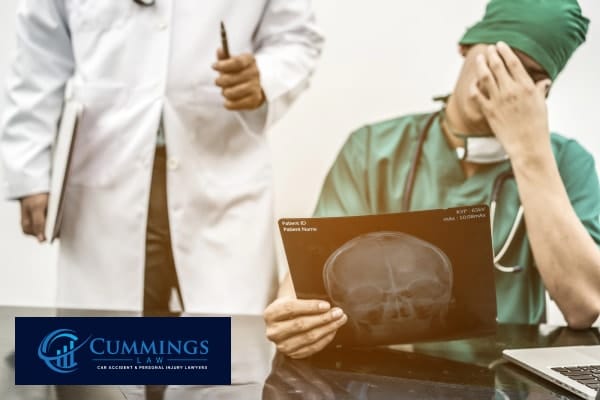
Several types of medical malpractice can lead to severe injuries or even death. Understanding these common types of medical malpractice can help you recognize when a medical professional has failed to uphold their duty.
A misdiagnosis or delayed diagnosis can lead to wrong treatment and worsen the patient’s condition. For example, a wrong diagnosis of a serious condition like cancer or heart disease can delay necessary treatment, leading to life-threatening health complications.
Surgical errors include performing the wrong procedure, operating on the wrong body part, or leaving a foreign object in the body after surgery. These serious errors can cause chronic pain, infections, or long-term disabilities.
Birth injuries like cerebral palsy can occur if a healthcare provider makes a mistake during labor or delivery. These mistakes can happen due to improper monitoring of the baby's vital signs, failure to respond to fetal distress, or improper use of forceps.
Medication errors can include giving the wrong medication, prescribing the wrong dosage, or failing to check for harmful drug interactions. These medication mistakes can have serious consequences for the patient’s health, leading to allergic reactions, poisoning, or even death.
An anesthesia error occurs when the patient receives too much or too little anesthesia during a procedure. This can lead to serious complications such as brain damage, heart attacks, or even death.
Hospital negligence can include failing to follow proper infection control practices, surgical site infections, or not adequately monitoring a patient’s condition. Emergency room negligence can involve long wait times, improper triage, or failure to diagnose conditions like heart attacks or strokes.
Failure to obtain informed consent means that the healthcare provider didn’t properly inform the patient about the risks of a procedure or treatment. Patients need to fully understand the potential consequences before agreeing to any medical treatment.
Nurses and hospital staff are essential to patient care. However, nursing negligence can involve improper monitoring, administering incorrect medications, or failing to follow the doctor’s orders. Hospital staff negligence can lead to errors that harm the patient, often resulting in serious injuries or complications.
Defective medical devices, like faulty pacemakers or surgical instruments, can cause serious harm to patients. Unsafe medical devices may malfunction, leading to additional surgeries or complications that could have been avoided.
Failure to follow up with patients after treatment or surgery can result in missed complications or infections. Healthcare professionals must monitor the patient’s progress and address any medical conditions that arise post-treatment.
Proving medical malpractice requires gathering evidence, working with medical experts, and demonstrating how the healthcare provider’s actions directly harmed the patient. Here are the steps involved in proving your case:
To build a strong medical malpractice claim, you’ll need to gather various forms of evidence to support your case. This includes:
An expert medical review is a crucial part of proving a medical malpractice case. A licensed healthcare professional will examine the medical records and determine if the medical professional’s actions fell below the standard of care.
The expert will provide their opinion on whether the error caused harm and help you understand how the provider’s actions constituted medical malpractice. Without this expert testimony, it can be difficult to prove negligence in medical malpractice claims.
To win a medical malpractice case, you must prove that the provider’s negligence directly caused your injuries and the harm you’ve suffered. This involves showing:
Proving these elements will help support your medical malpractice claim and increase your chances of receiving fair compensation for your losses.
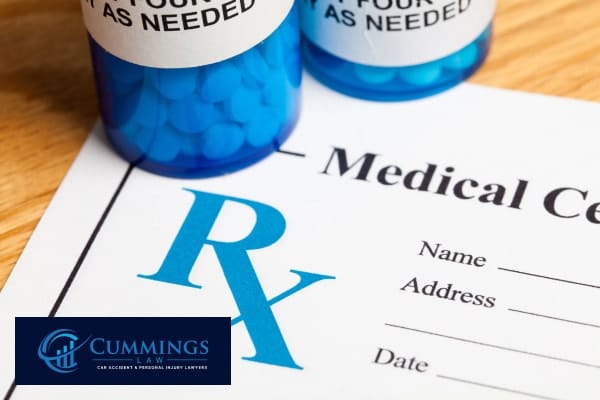
Medical negligence can lead to common deadly types of medical malpractice that result in significant harm or even death. Some common medical malpractice claims arise from errors like prescription drug errors or surgical complications.
Competent doctors must review a patient's medical history to avoid mistakes such as treating the wrong patient or causing vascular events during a procedure. When these errors happen, they often lead to severe consequences that affect the patient's life.
Prescription drug errors are a form of medical negligence and one of the common deadly types of medical malpractice. These errors include prescribing the wrong medication, incorrect dosage, or failing to consider dangerous drug interactions.
Such mistakes can have devastating effects, especially when dealing with vascular events or complications from wrong prescriptions. Mismanagement of drugs can cause serious harm, affecting the patient's ability to recover or even resulting in death.
Surgical complications are among the common medical malpractice claims that arise from mistakes made in the operating room. When a doctor fails to follow proper procedures, it can lead to errors like performing surgery on the wrong patient or the wrong body part.
These mistakes can cause long-lasting effects such as vascular events, chronic pain, or a patient's life being changed forever. Surgical complications often require additional treatment and can lead to permanent damage, significantly harming the patient’s well-being.
Even competent doctors can make common errors when handling a patient's care, especially when they overlook the patient's medical history. Medical negligence happens when healthcare providers fail to properly assess or treat a condition, leading to worsened outcomes for the patient.
Whether it’s a misdiagnosis, prescription drug errors, or mistakes during surgery, these common deadly types of medical malpractice can cause significant harm to a person’s health and well-being.
Preventable medical errors are mistakes made by healthcare professionals that could have been avoided with proper care and attention. These errors include misdiagnoses, wrong treatments, and common medication errors that lead to severe consequences for the patient’s health.
Common medication errors include prescribing the wrong drug, incorrect dosage, or failing to check for dangerous drug interactions. These errors can have serious effects on a patient’s health and may worsen their condition if not corrected in time.
Common types of medical malpractice cases include wrong-site surgery, delayed diagnoses, and surgical complications. These cases often involve serious injuries and may require long-term treatment to recover from the physical harm caused by the negligence.
Wrong-site surgery happens when a surgeon performs an operation on the wrong part of the body. This is one of the most serious forms of medical malpractice and can lead to long-term brain injuries, physical disabilities, or death if not addressed immediately.
Brain injuries may occur due to errors in surgery, failure to diagnose conditions like vascular events, or delayed treatment. If a patient’s vital signs aren’t properly monitored during surgery, it can result in significant harm, leading to permanent brain injuries or even death.
Dangerous drug interactions can occur when medications prescribed by different healthcare providers cause harmful side effects when taken together. These interactions can lead to severe consequences, including organ damage or allergic reactions, especially if proper follow-up care isn’t provided.
Timely treatment is critical for achieving an accurate and proper diagnosis and preventing further complications. Delayed or missed diagnoses can lead to severe consequences, especially if proper follow-up care is not administered. Healthcare facilities must act quickly to avoid preventable medical errors that can worsen a patient's condition.

If you or someone you know has been hurt because of a medical mistake, you may have the right to get compensation. Cummings Law Car Accident & Personal Injury Lawyers can help you understand your rights and how to take action.
Our experienced medical malpractice lawyers are here to help you recover damages for your medical bills, lost wages, and pain. We make it easy to understand the process and provide a free consultation to discuss your case. You don’t have to face this alone. Contact us today, and we will help you get the justice you deserve.
Cummings Law Car Accident & Personal Injury Lawyers Address: 4235 Hillsboro Pike #300, Nashville, TN 37215