Getting into a car accident is stressful, especially when it wasn’t your fault. Understanding how car insurance works when you are not at fault can help you know who pays for your medical bills, property damage, and other costs. In most cases, the at-fault driver’s insurance should pay for your expenses, but sometimes, your own insurance company may also help cover your losses.
Cummings Law Car Accident & Personal Injury Lawyers helps injured drivers and passengers recover what they deserve. Our legal team works directly with insurance companies to protect your financial interests and help you seek compensation for your losses.
If you were hurt in a crash caused by a negligent driver, our Tennessee car accident lawyer can guide you through the claims process, review your insurance policy, and make sure you receive fair compensation for your injuries, medical expenses, and lost wages.

Determining who caused the auto accident is the first step in deciding how car insurance applies. Fault decides which insurance company pays for damages and how much each driver’s insurance company contributes.
In Tennessee and other at-fault states, the driver responsible for the accident scene must pay for the injuries caused and property damage to others.
| At-Fault States | No-Fault States |
|---|---|
| The at-fault driver’s policy pays for all damages, including medical expenses and repairs. | Each driver’s own insurance covers their medical bills regardless of fault. |
| You may file a third-party claim with the at-fault party’s insurer. | You file a personal injury protection (PIP) claim under your own policy. |
| Tennessee follows this system under its comparative negligence rules. | States like Florida, Michigan, and New York follow this no-fault system. |
Insurance companies and investigators determine fault by reviewing:
In Tennessee, comparative negligence (T.C.A. § 29-11-103) allows you to recover damages if you are less than 50% at fault. However, your award is reduced by your percentage of fault. For example, if you were 10% at fault, your insurance claim payout is reduced by 10%.
When you are not the at-fault driver, the at-fault party’s insurance is usually responsible for your damages. Still, your own insurance company may step in to help cover certain costs if the other driver’s insurance company delays or denies claims. Understanding how each policy applies helps you make a stronger personal injury claim.
Even when you aren’t at fault, your own policy can help cover temporary costs. Collision coverage may pay for your car repairs before the fault driver’s insurance reimburses you. Your medical payments (MedPay) or personal injury protection (PIP) coverage can also help cover immediate medical care and physical therapy without waiting for the other insurance provider to act.
When your own insurance pays upfront, they often recover that money later through a process called subrogation. This means your insurer seeks repayment from the at-fault party’s insurer once liability is proven. It protects you from paying out-of-pocket while ensuring your insurance company gets reimbursed.
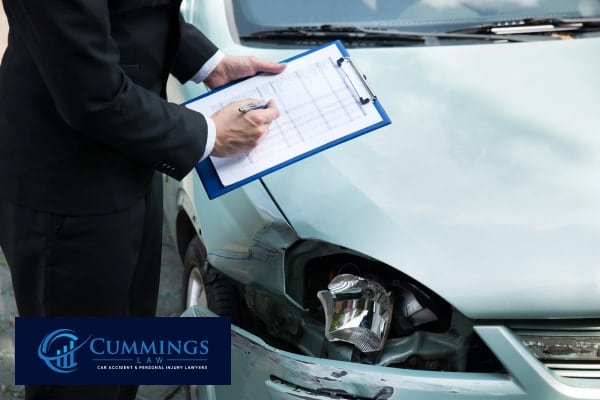
Different kinds of auto insurance help protect you even when the other driver caused the crash. Knowing how each type of coverage works ensures you don’t miss out on benefits your insurance policy covers.
The at-fault driver’s liability insurance pays for your medical costs, lost income, and property damage. This is the main coverage that applies when you’re not responsible for the auto accident.
Your collision coverage under your own insurance policy can cover repair costs even before the at-fault party’s insurance accepts responsibility. It helps you fix your car faster, especially when insurance companies delay.
If the other driver doesn’t have enough insurance (or any at all), your uninsured motorist coverage or underinsured motorist coverage can help pay for your losses. These protections make sure you can still pursue compensation for injuries and property damage, even against an uninsured driver.
MedPay and personal injury protection (PIP) cover your medical bills, hospital stays, and rehabilitation costs, regardless of fault. These options provide quick help when you need medical treatment right after a crash.
Getting paid after a car accident depends on how quickly insurance companies complete their investigations and approve your insurance claim.
While some claims are handled within a few weeks, others take longer if liability is disputed or medical records are still being reviewed. Understanding the process helps you plan your next steps and avoid unnecessary delays.
After a car insurance claim is filed, most insurance companies begin a review that can take around 30 days or more. They gather police reports, witness statements, photos of the accident scene, and repair estimates.
If the at-fault driver’s insurance delays or denies your claim, your car accident lawyer can step in to protect your rights and keep the claims process moving.
If waiting for the at-fault party’s insurance is taking too long, you can use your own insurance for immediate help.
Your collision coverage can pay for vehicle repairs right away, while MedPay or personal injury protection (PIP) covers medical expenses and physical therapy. Later, your insurer can recover the amount through a process called subrogation from the at-fault driver’s policy.

If you’re not responsible for the auto accident, you can recover damages through a personal injury claim. These damages cover both your financial losses and emotional suffering.
| Type | Examples |
|---|---|
| Medical Expenses | Hospital bills, emergency medical care, and physical therapy |
| Lost Income | Wages lost due to missed work or reduced hours |
| Property Damage | Vehicle repairs, replacement, or rental car costs |
| Out-of-Pocket Costs | Transportation to medical appointments or home care needs |
| Type | Examples |
|---|---|
| Pain and Suffering | Physical pain and emotional distress from the crash |
| Loss of Enjoyment of Life | Inability to enjoy daily activities due to serious injuries |
| Emotional Distress | Anxiety, PTSD, or depression caused by the accident |
| Loss of Consortium | Strain on family relationships due to injuries |
Punitive damages may apply if the at-fault driver acted with gross negligence -- for example, in cases involving drunk or reckless driving. These damages punish the negligent driver and discourage others from acting carelessly.
When you’re not at fault, the at-fault party’s insurance pays for your medical bills, repairs, and other losses. Your own insurance may cover temporary costs while waiting for repayment.
Your uninsured motorist coverage or underinsured motorist coverage will step in to pay your medical expenses, repair costs, and other damages caused by an uninsured driver.
Liability insurance covers the medical expenses, property damage, and lost wages of the other driver when you are found at fault. It protects your financial interests and ensures the injured party receives compensation for their losses. However, it does not pay for your own injuries or vehicle repairs.
In Tennessee, liability insurance works by covering the costs of injuries and damage you cause to others in a car accident. The at-fault driver’s policy is responsible for paying these damages up to the policy’s limits. If the losses go beyond those coverage limits, the driver may have to pay out of pocket.
Comprehensive coverage pays for damage to your car from non-collision events like theft, fire, or weather, while liability coverage pays for harm you cause to others in a crash. Both are important parts of your auto policy, but comprehensive coverage protects your vehicle, while liability insurance protects you from legal and financial responsibility during the legal process.

If you were injured in a car accident, you don’t have to deal with insurance companies alone. At Cummings Law Car Accident & Personal Injury Lawyers, our personal injury attorney provides strong legal representation to help you recover compensation for your medical expenses, lost income, and emotional distress. We understand how confusing the legal process can be after an accident, especially when you’re trying to heal.
Our firm offers a free consultation and free case evaluation so you can understand your rights before making any decisions. When you seek legal help from our experienced team, we handle the insurance negotiations and fight for the full compensation you deserve.
Contact us today to schedule your free consultation and let us help you move forward with confidence.

Cummings Law Car Accident & Personal Injury Lawyers Address: 4235 Hillsboro Pike #300, Nashville, TN 37215