Last Updated: October 20, 2026
Insurance companies count on one thing: you won't document evidence lowball settlements by having the proof of what your injury actually cost you.
At Cummings Law Car Accident & Personal Injury Lawyers, we've seen this pattern hundreds of times. Claimants without solid documentation accept settlements that don't cover their medical bills, let alone their pain and suffering.
The difference isn't luck. It's preparation.
Document evidence lowball settlements by building a case file before you negotiate.
Here's what separates a strong claim from a weak one: specificity. A vague statement that "your injury hurt" carries no weight. Medical bills, diagnosis reports, and treatment timelines do.
The five strategies below show you exactly how to build this evidence package. Each one addresses a specific type of damage. Together, they create a foundation that makes lowball offers indefensible.
Start collecting medical records immediately after your accident. Don't wait. Every provider who treats you, emergency room doctors, specialists, physical therapists, generates documentation you'll need.
Create a dedicated folder (physical or digital) for everything medical. Include:
Request records directly from each provider. Most offices provide copies within 10-15 business days. Ask for complete records, not summaries. You need the detailed clinical notes that show the severity of your condition and the treatment required.
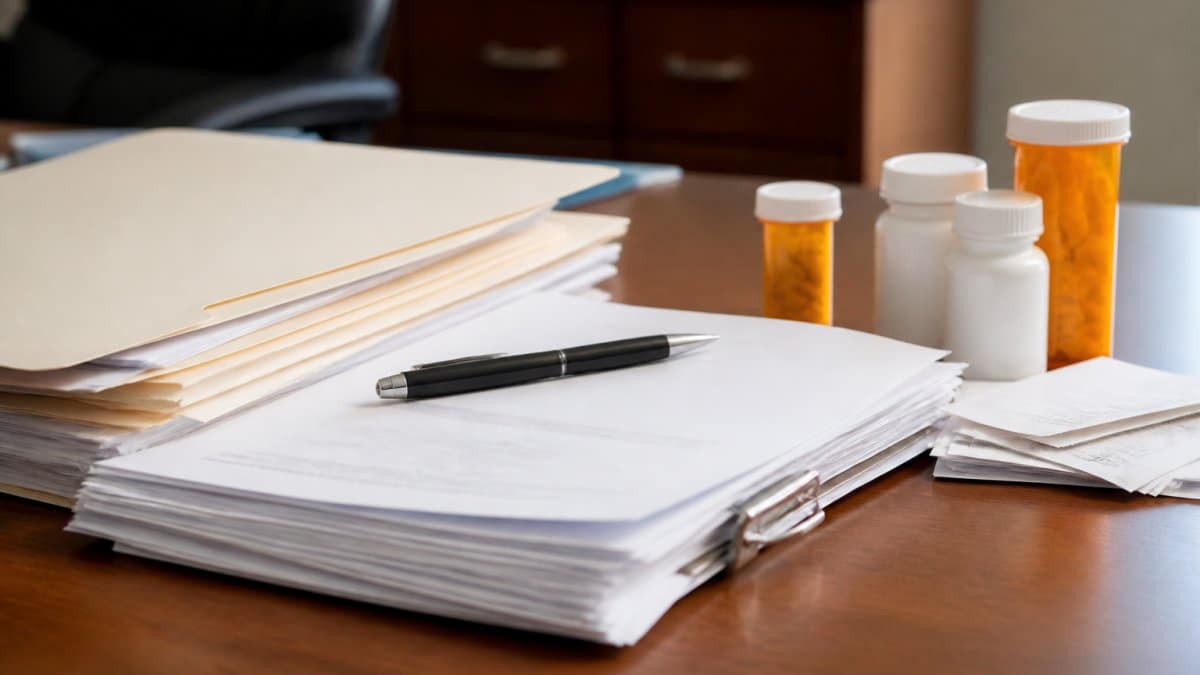
Organize by date. Create a simple spreadsheet listing each document, the date of service, the provider name, and what the record shows.
Medical records connect your injury directly to your treatment costs. An adjuster can't argue that your medical expenses are inflated when you have bills from licensed providers. The records also establish the nature and extent of your injury.
Here's the connection: A diagnosis from an imaging report proves the injury exists. Treatment notes show it required professional care. The frequency of appointments demonstrates how serious it was. Bills prove what you paid.
When your medical file shows you saw a doctor within 72 hours of the accident, it strengthens the claim that the injury came from that accident, not something else. When records show ongoing treatment over months, it proves the injury wasn't minor. When bills total thousands of dollars, it establishes real damages.
Take photographs immediately after the accident, while you're still at the scene. If you're injured and can't photograph, ask a witness, family member, or bystander to do it for you. Don't wait until later, the scene changes. Debris gets cleared. Skid marks fade.
Photograph everything:
Video is even better than still photos. A 30-second video showing vehicle damage and the scene tells a clearer story than individual images. Record from multiple angles.
Save every photo and video file. Don't delete anything, even if it seems unimportant. The timestamp on each file matters, it proves when the photo was taken and connects it to the accident.
Digital files contain metadata: the date, time, location, and camera settings when the photo was taken. This metadata strengthens your evidence because it proves authenticity. An adjuster can't claim you took the photo weeks later.
Store original files in a safe location. Don't edit or crop photos before submitting them to your attorney or the insurance company. Edited files raise questions about authenticity.
Back up your files. Use cloud storage or an external hard drive. If your phone is damaged in the accident, you could lose critical photos. Multiple copies protect against that loss.
Create a photo index. List each image, note what it shows, and explain why it matters.
Pain and suffering damages are harder to prove than medical bills. You can't show a receipt for suffering. You have to document how the injury changed your life.
Start a daily journal the day of your accident. Write down: (Source: National Highway Traffic Safety Administration (NHTSA) data)
Write specific details, not vague statements.
Include how the injury affected your relationships, hobbies, and work. Did you miss your child's soccer game? Write it down. Did you stop exercising? Document it. Did you lose sleep?
Keep this journal for months, not days. Insurance companies expect to see ongoing documentation that shows the injury's lasting impact.
Lost wages are a measurable damage. You need proof of the income you lost and documentation that the injury caused you to miss work.
Gather these documents:
Your doctor's work restrictions are critical. A note saying "Patient may not lift more than 10 pounds" or "Patient restricted from standing for more than 2 hours" directly connects your injury to lost income.
Calculate your lost wages precisely. If you earn $25 per hour and missed 80 hours of work, your lost wages are $2,000. Include any benefits you lost (health insurance premiums, retirement contributions) during unpaid time off.
For self-employed individuals, lost wages are trickier. Document the work you couldn't take on. Keep emails from clients requesting work you had to decline.
Your demand letter is the formal request for settlement. It must be backed by organized evidence. Create an evidence index that lists everything you're submitting.
Structure it like this:
| Evidence Type | Document | Date | What It Proves |
|---|---|---|---|
| Medical | ER discharge summary | 1/15/2026 | Injury severity and initial treatment |
| Medical | MRI report | 1/20/2026 | Specific diagnosis confirmed |
| Scene | Vehicle damage photos | 1/15/2026 | Impact force and liability |
| Liability | Police report | 1/15/2026 | Fault determination |
| Income | Pay stubs | 1/15-3/15/2026 | Lost wages calculation |
| Impact | Injury journal | 1/15-4/15/2026 | Pain and suffering documentation |
This index helps an adjuster understand what you're submitting and why. It also shows you're organized and serious about your claim.
Attach documents in the order they appear in your index. Use numbered tabs or digital bookmarks so everything is easy to find. A professional, organized package signals that your claim is credible.
Don't submit incomplete records. If you're missing pages from a medical report, get the full document. Gaps raise suspicion and give adjusters reasons to discount your evidence.
Don't exaggerate in your pain and suffering journal. Adjusters read these carefully.
Don't mix personal opinions with facts. Your demand letter should state facts backed by evidence.
Don't submit original documents if you only have one copy. Make copies for the insurance company. Keep originals in your files.
Don't wait to gather evidence. The longer you wait, the harder it is to reconstruct details. Photos fade from memory. Witnesses become hard to locate. Medical providers delete old records. Start documenting immediately.
A complete evidence package changes the negotiation dynamic. When you submit organized, detailed documentation, the insurance company knows you're prepared to fight for fair compensation. Lowball offers become harder to justify.
Here's why: An adjuster's job is to close claims for as little as possible. They make lowball offers because many claimants accept them. But when you have evidence proving your damages, the adjuster faces a choice.
Strong documentation also protects you if the case goes to court. Judges and juries trust documented evidence far more than vague claims. A jury will award damages based on what you can prove, not what you say happened.
Cummings Law Car Accident & Personal Injury Lawyers helps clients organize this evidence and use it effectively in settlement negotiations.
Medical records showing diagnosis and treatment, photographs of accident scene and injuries, witness statements, repair estimates for vehicle damage, lost wage documentation, and a daily journal of how the injury affects your life all strengthen your position. Insurance adjusters rely on incomplete evidence to justify lowball offers. When you present a complete evidence package linking each document to specific damages like medical expenses, lost wages, and pain and suffering, you make it harder for them to undervalue your claim. An organized evidence file signals that you're serious and prepared.
Start by collecting every medical record: emergency room reports, doctor visit notes, test results, imaging scans, prescriptions, and billing statements. Keep originals and make copies. Create a timeline showing when you sought treatment and what each visit addressed. Photograph visible injuries at different stages of healing. Write down your symptoms, pain levels, and how treatment affects your daily activities. Request records directly from each provider rather than relying on the insurance company to gather them. Organized medical documentation proves the extent of your injury and justifies higher compensation for medical expenses and pain and suffering.
Collect pay stubs from the weeks before and after your accident to establish your normal income. Get a letter from your employer confirming dates you missed work, your hourly rate or salary, and any lost benefits or overtime. If you're self-employed, provide tax returns, invoices, and bank statements showing typical income. Include medical restrictions from your doctor that prevented you from working. Document any reduced hours or modified duties you performed while recovering. These records prove exactly how much income you lost, which is a measurable, documentable part of your damages that insurers cannot easily dispute.
Create a labeled evidence index that groups documents by category: medical records, accident scene photos, witness statements, lost wages, and property damage. Number each item and include a brief description of what it proves (for example, 'Medical Record #3: Diagnosis of fractured rib, proves injury extent'). Use a clear folder system, either physical or digital, with consistent naming. Include a one-page summary explaining how each evidence category supports your claim for specific damages. This organization makes it easy for your attorney to build a compelling demand letter and shows the insurance company that your claim is serious and well-documented.
Don't accept a lowball settlement because you're unsure of your claim's value. Build the evidence package outlined above, and you'll have the documentation to prove what your injury actually cost you. If you're facing a low offer and want to challenge it, reach out to Cummings Law Car Accident & Personal Injury Lawyers. The team works on contingency, you pay nothing unless they win, and they'll fight to maximize your recovery.

Cummings Law Car Accident & Personal Injury Lawyers Address: 4235 Hillsboro Pike #300, Nashville, TN 37215